
Lapangan Merdeka Revival: the catalyst of civic historic conservation | the vision for Medan's heritage environment
Updated: Oct 9, 2024
Authors:
Alexander Utama
Soehardi Hartono

This design manifesto is structured as a series of written statements regarding the revitalisation of the historic Lapangan Merdeka, addressing both macro and micro considerations. This manifesto seeks to communicate the project's purpose to a broader audience.
Chapter 1: The Beginning
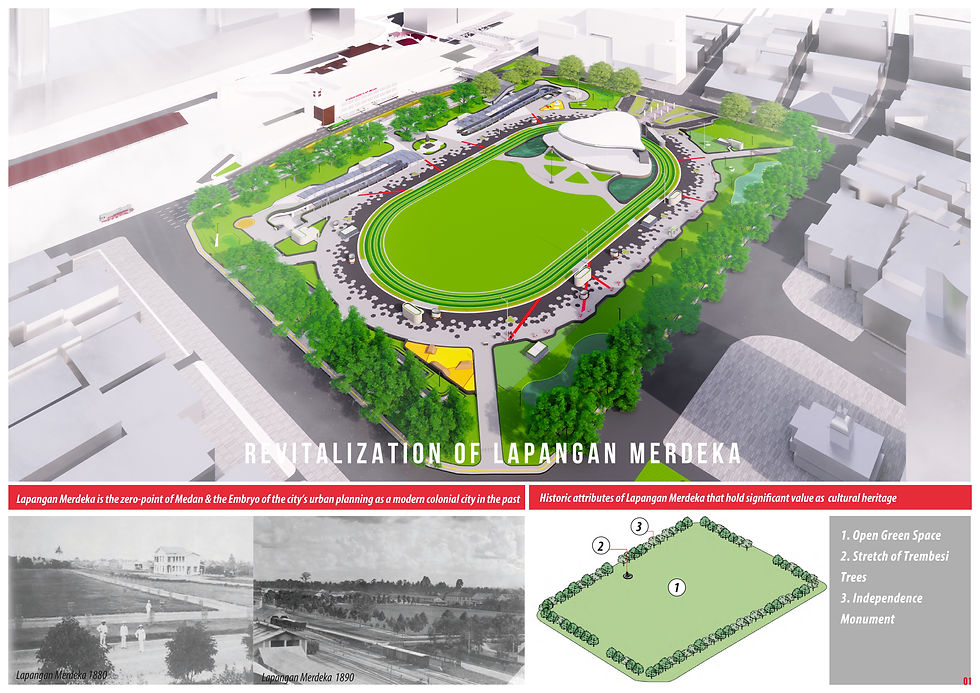
01. Lapangan Merdeka is the zero-point of Medan as a modern colonial city in the past


Lapangan Merdeka, which was known as "de Esplanade" during the Dutch colonial period, has been used as a green open space since the 1870s. It serves as a foundational site and reference point for the development of Medan's urban spatial configuration and planning as a modern colonial city due to its role as a reference point in the past.
Lapangan Merdeka, along with its surrounding urban layout, offers a vivid reflection of the social, cultural, economic, and political interests that defined the colonial administration in Medan. The planning and development of this space were not merely functional; they were symbolic of the power dynamics and ideologies that the Dutch sought to project in the region. The square, much like similar spaces in other prominent colonial cities along the Strait of Malacca—such as Padang Kota Lama in Georgetown, Dataran Merdeka in Kuala Lumpur and Melaka, and the Padang in Singapore—served as a visual and physical manifestation of colonial authority. These spaces were designed to centralize control, while at the same time offering a social arena for the colonial elite to engage in leisure, sports, and public ceremonies.


Colonial squares like Lapangan Merdeka were often located near key administrative buildings, reinforcing their role as hubs of governance, trade, and European cultural activity. The architecture surrounding these spaces was typically grand and formal, reflecting European tastes and aspirations, with the intention of imposing a sense of order and authority over the local population. These squares were also important venues for public gatherings, including military parades, political rallies, and public addresses, cementing their role in the broader socio-political landscape of colonial rule.
Although Lapangan Merdeka and its counterparts were inspired by European urban forms, the spatial configuration in cities like Medan took on unique characteristics due to their equatorial, tropical location. Unlike the squares of Europe, which were often characterized by wide, paved plazas that suited temperate climates, the tropical environment of Medan necessitated a different approach to urban design.
Lapangan Merdeka is known for its lush greenery, featuring trees, parks, and expansive grassy areas. This verdant landscape softens the otherwise formal layout typical of European squares, creating a more integrated and harmonious relationship with the natural environment. In contrast to European squares, where open spaces were often stark and paved, the tropical climate of Medan required the inclusion of shade and greenery to make the public space more hospitable. The introduction of trees and grassy areas not only enhanced the aesthetic appeal but also provided a cooling effect, allowing the square to serve as a comfortable gathering place even in the heat of the day.
The presence of such landscaping contributes to a hybridized urban form, blending European spatial principles with local environmental considerations. This gives Lapangan Merdeka a unique character—one that is distinctly tropical, yet unmistakably rooted in its colonial past. The combination of formal colonial architecture and natural tropical elements illustrates how colonial powers had to adapt their European models to the realities of the Southeast Asian environment. In this sense, Lapangan Merdeka stands as a testament to the complex and layered history of Medan, where the imposition of foreign urban ideals was met with the practicalities of the local climate and geography.
02. Historic attributes of Lapangan Merdeka that hold significant value as cultural heritage

Various significant features of the historic Lapangan Merdeka that posses considerable significance or values as cultural heritage are as follow:
Green Open space
Stretch of Trembesi Trees
Independence Monument
Chapter 2: Pre-revitalization & Recana Pembangunan Infrastruktur Permukiman (RPIP) Integration
03. Objective


Nowadays, the layout of Lapangan Merdeka, with its blend of formal colonial elements and lush tropical landscape, remains a significant part of Medan’s identity. The square continues to serve as a cultural and civic hub, much as it did during the colonial period, albeit in a post-colonial context. Its historical role as a center of power and public life during colonial times has transitioned into a space where modern Medan residents gather for various public events, symbolizing the enduring legacy of these colonial-era spaces in the modern urban landscape of Southeast Asia.
This evolution reflects a broader trend across former colonial cities, where spaces once designed to symbolize European power have been reclaimed by local communities, becoming spaces of national identity, memory, and everyday social life.
However, Over the past four decades, the social, cultural, and historical importance of Lapangan Merdeka has been gradually diminishing due to the influences of commercialisation and urbanisation. Given the recently-carried-out major revitalization work of the Kesawan old town, the design direction of this project revolves around the discourse of how to rejuvenate Lapangan Merdeka as an integrated historical urban space that aligns with the RPIP initiative and contemporary city's needs and dynamics while simultaneously appreciating the tropical essence of the Equator,
The revitalisation of Lapangan Merdeka seeks to tackle the challenges by employing design strategies focused on urban heritage conservation, urban design, and architectural design, with a keen emphasis on the urban landscape, aesthetics, and the socio-cultural and socio-economic aspects of the area.
Chapter 3: Manifesto
04. Main design concept

The revitalization of Lapangan Merdeka is guided by a thoughtful and multifaceted approach, blending Urban Heritage Conservation with the principles of Contemporary Urban Planning and Urban Design. This process is shaped by the globally recognized Historic Urban Landscape (HUL) guidelines, which aim to ensure that development respects and integrates with the cultural and historical context of the area. The revitalization effort is more than a mere restoration; it is a careful process of balancing tradition and modernization, ensuring that the square remains relevant to the needs of today’s Medan residents while preserving its historical integrity.
The following paragraphs are the explanation to each concept:
Urban Heritage Conservation + Contemporary Urban Planning Dynamic (Urban Design)
The formula used in the revitalization of Lapangan Merdeka combines two critical elements:
Urban Heritage Conservation: This involves preserving the historical essence and cultural identity of the site. Lapangan Merdeka, with its deep colonial roots and symbolic significance as a place of independence, demands a sensitive approach to conservation. The aim is to protect and enhance its existing heritage attributes while adapting the space to contemporary use.
Contemporary Urban Planning Dynamics: Modern cities are constantly evolving, and Medan is no exception. The revitalization process incorporates modern urban design principles to create a space that is functional, accessible, and sustainable for today’s population. This includes improving infrastructure, enhancing public accessibility, and integrating green spaces to meet the demands of a modern urban center.
Historic Urban Landscape (HUL) Guideline
(UNESCO Recommendation 2011)
The Historic Urban Landscape (HUL) guideline is at the core of this revitalization project. HUL goes beyond the traditional concept of preserving just a "historic center" or an isolated monument; it emphasizes the entire urban context and the geographical setting of the area. The landscape is seen as a living entity, shaped by the interaction of cultural and natural values over time, and the revitalization efforts are designed to respect this evolution. In the case of Lapangan Merdeka, this means acknowledging the layered history of the space—from its colonial roots to its role in the Indonesian independence movement—and ensuring that the future development reflects this complex heritage.
The HUL approach involves looking at the broader environment of Lapangan Merdeka, including its architecture, the surrounding urban fabric, the natural landscape, and its social and cultural functions. It considers how these elements have evolved and intertwined over the years, and seeks to integrate new developments that complement rather than disrupt the existing heritage.
05. Maintaining Historical Significance and Character
The revitalization of Lapangan Merdeka has focused on three key strategies to ensure that the historical significance and character of the site are preserved:

1. Maintaining and Caring for the Old Trembesi Trees
The Trembesi trees (Albizia saman), which have stood in Lapangan Merdeka for decades, are not only part of the natural landscape but also serve as living symbols of the square’s historical continuity. These trees have witnessed significant moments in Medan’s history, from the colonial era through the post-independence period, and their preservation is a critical part of the revitalization process.
By maintaining and caring for these old trees, the revitalization ensures that the natural heritage of Lapangan Merdeka is upheld. These trees provide shade, contribute to the ecological balance of the area, and play a symbolic role in linking the past with the present. The careful management of these trees, including pruning, soil care, and protection from urban pressures, is a key aspect of maintaining the square's character.
2. Reactivating the Green Open Space

One of the most important aspects of Lapangan Merdeka’s revitalization is the reactivation of the green open space. During its colonial and post-colonial history, the square has always been a place where the people of Medan could gather, relax, and participate in public life. Over time, however, urban development and neglect had caused parts of the square to lose their vibrancy.
The revitalization project aims to restore the vitality of the green space by re-landscaping the area, introducing new plantings, and improving accessibility. This green open space is intended to serve as a public park where residents can engage in recreation, social gatherings, and cultural activities. In reactivating the green space, the planners are not just restoring a physical environment but also reinvigorating the social life of the square. It becomes a shared, democratic space where the community can reconnect with their city’s history while enjoying a modern urban park setting.
3. Honoring the Independence Monument
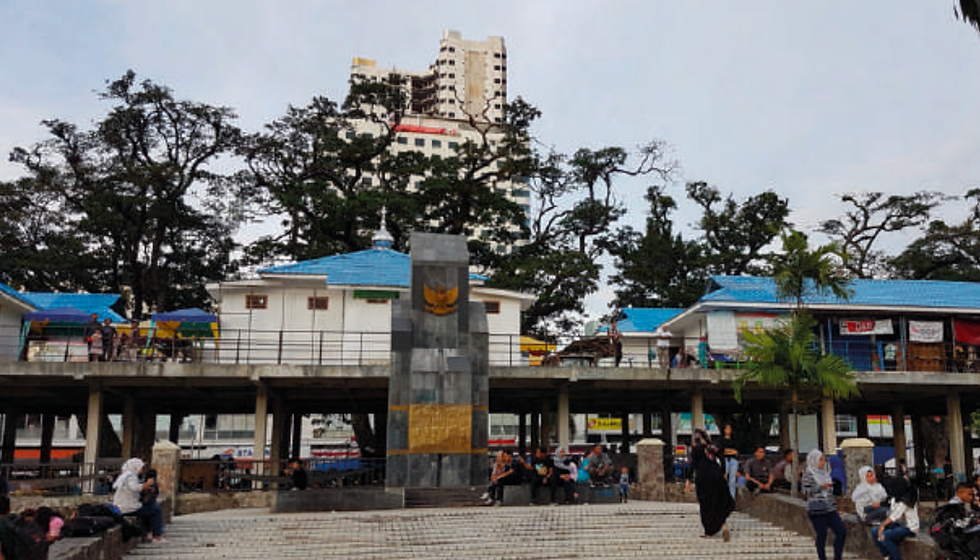
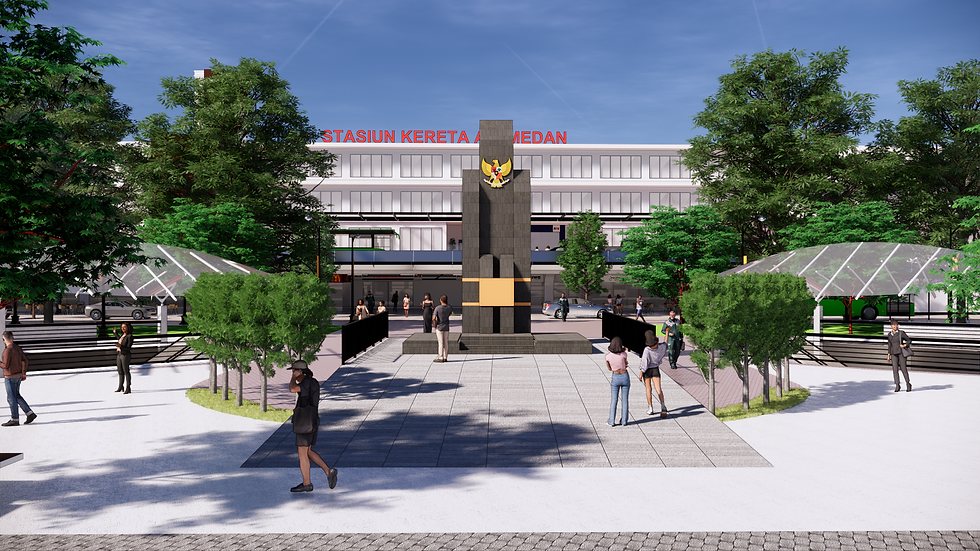

The Independence Monument, located within Lapangan Merdeka, stands as a significant reminder of Indonesia’s struggle for freedom from colonial rule. Honoring this monument is a crucial part of the revitalization efforts. The monument is not merely a historical artifact; it is a symbol of the city’s identity and national pride.
To honor the Independence Monument, the revitalization project has focused on enhancing its visibility and ensuring that it remains a central feature of the square. The surrounding area is being redesigned to draw attention to the monument, making it more accessible and creating a respectful space for reflection and celebration. Special lighting, improved pathways, and public seating areas have been introduced to allow visitors to engage with the monument in a meaningful way. Additionally, educational interpretation boards may be placed around the monument to inform visitors about its historical significance and the story of Indonesia’s independence movement.
The revitalization of Lapangan Merdeka, following the HUL framework, is ultimately about creating a harmonious blend of the past and the present. The goal is to preserve the square’s rich heritage while making it a functional and vibrant part of modern Medan. By maintaining the Trembesi trees, reactivating the green open space, and honoring the Independence Monument, the revitalization project ensures that Lapangan Merdeka remains a place where the community can celebrate both its history and its future.
This approach positions Lapangan Merdeka as a model of sustainable urban heritage management, where conservation and development work hand in hand, enhancing the livability of the city while respecting its historical and cultural legacy.
06. Public space as a "Melting Pot"


Taking cues from the city's historical and multicultural background, the revitalization of Lapangan Merdeka recreates a vibrant public space that reflects Medan’s role as a "Melting Pot" of diverse ethnicities, races, and religions. This transformation aims to create a gathering and interaction space where residents can come together, celebrating the city’s rich diversity while fostering unity. By embracing Medan’s multicultural history, the square becomes a physical symbol of the city's inclusive spirit and a place where different communities can meet, share traditions, and engage in cultural activities.
The square's design reflects this diversity through cultural events, public art, and open spaces, encouraging interactions and strengthening the social fabric of the city. It also serves as a platform for civic engagement, where public events, festivals, and dialogues bring people together, reinforcing a sense of shared identity. This revitalization aims to not only preserve Medan’s cultural heritage but also promote a modern, unified city where diversity is celebrated as a key part of its identity.
Chapter 4: Content
07. Supporting Low Carbon Transit-Oriented Development (TOD)
The revitalization of Lapangan Merdeka is a key element in the broader strategy to develop a Low Carbon Area (Low Emission Zone) in Medan. This effort aligns with global Sustainability Development Goals (SDG), focusing on reducing greenhouse gas emissions, enhancing air quality, and promoting eco-friendly urban environments. By redesigning this public space to support green initiatives, the city aims to create a healthier and more livable urban center.


The revitalization of Lapangan Merdeka is also closely linked to the concept of Transit-Oriented Development (TOD). TOD focuses on creating urban spaces that are easily accessible by public transportation, reducing the dependence on private vehicles, and thus lowering carbon emissions. Lapangan Merdeka’s proximity to the Railway Station makes it a prime location for TOD initiatives, where public transportation becomes central to daily commuting and travel within the city. The redevelopment encourages residents and visitors to use more sustainable transportation options like trains, buses, and bicycles, all of which align with the vision of a Low Emission Zone.
By integrating Lapangan Merdeka with the railway station, the revitalization enhances the connectivity and accessibility of public spaces in Medan. It makes commuting more efficient, reduces traffic congestion, and contributes to a more environmentally friendly city. This integration supports urban mobility, ensuring that people can easily navigate the city while minimizing their carbon footprint.
08. Spatial Integration: Lapangan Merdeka as the Veranda of the City


The spatial integration between Lapangan Merdeka and the train station introduces the square as the symbolic veranda of the city—a welcoming and open space that serves as both an entry point and a central gathering spot. This design not only enhances the flow of people between the station and the square but also transforms Lapangan Merdeka into a gateway for visitors arriving in Medan.
As the "veranda," Lapangan Merdeka becomes the first impression of the city for travelers, embodying Medan’s identity, culture, and commitment to sustainability. The revitalized space showcases the city’s ambition to blend modern urban planning with green initiatives, creating a harmonious balance between accessibility and environmental responsibility.
By linking the Low Carbon Area and the TOD concept, the revitalization effort reinforces Medan’s position as a forward-thinking, eco-conscious city. This integration highlights the importance of public transportation, green spaces, and sustainable urban development, making Lapangan Merdeka a key focal point for Medan’s future growth.
09. Green Facilities and Infrastrcuture


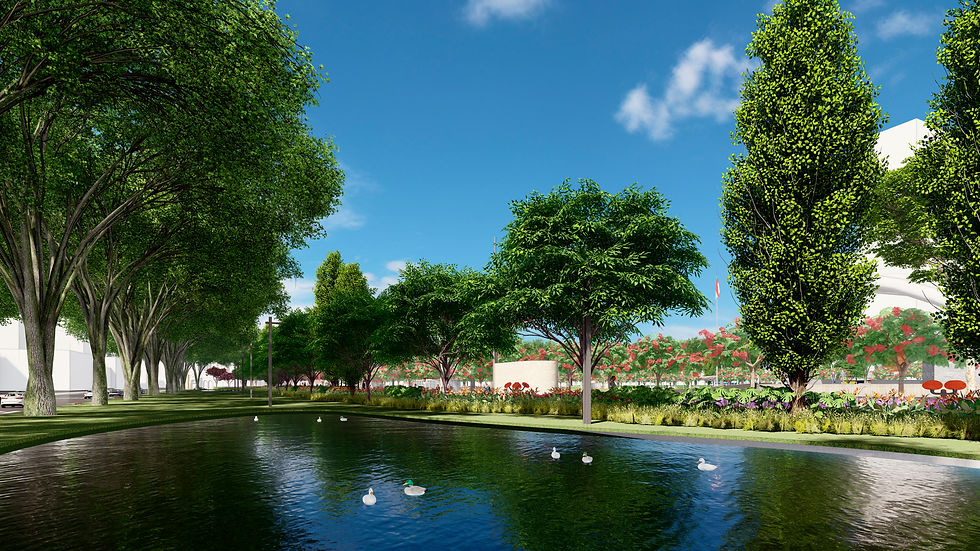

The revitalization of Lapangan Merdeka incorporates a range of Green Infrastructure elements designed to enhance the sustainability, resilience, and ecological health of the area. These innovative design features not only improve the aesthetic appeal of the space but also contribute to environmental sustainability by managing stormwater, reducing urban heat, and improving air quality.
1. Bioswale (Wet or Dry)

A bioswale is a strategically designed system that allows rainwater to naturally seep into the ground through a series of plants, flowers, and shrubs. This green infrastructure element not only adds beauty to the space but also serves as an effective stormwater management solution. The bioswale reduces the risk of flooding by allowing water to permeate the soil, thereby minimizing runoff and promoting groundwater recharge.
2. Perforated Pipe

Underground perforated pipes serve as an efficient way to direct rainwater into the soil. These pipes have small holes that allow water to gradually seep into the surrounding ground rather than overwhelming urban drainage systems. This system is particularly beneficial in urban areas where impervious surfaces, such as roads and sidewalks, can prevent water from naturally soaking into the earth. The perforated pipe system in Lapangan Merdeka ensures that rainwater is absorbed gradually, reducing the likelihood of flash flooding while contributing to groundwater replenishment.
3. Permeable Pavement

In place of traditional impervious surfaces like concrete, permeable pavement is used in the revitalization of Lapangan Merdeka. This surface is designed to allow water to flow through the pavement and absorb into the ground below. It is suitable for both vehicle and pedestrian traffic, ensuring that roads, walkways, and public spaces remain functional while simultaneously promoting natural water infiltration. By using permeable pavement, the design minimizes stormwater runoff, reduces the urban heat island effect, and helps maintain the area’s ecological balance.
4. Rain Garden and Bioretention

The addition of rain gardens and bioretention areas enhances Lapangan Merdeka’s ability to manage rainwater runoff. These gardens are designed with plants, rocks, and soil layers that naturally collect, absorb, and filter rainwater. This green infrastructure feature not only improves the aesthetic of the public space but also plays a critical role in reducing stormwater pollution and promoting cleaner water.
5. Riparian Buffer

The creation of a riparian buffer along waterways is another essential feature in the revitalization. This buffer consists of a line of vegetation—including trees, shrubs, and grasses—that is strategically planted to slow down the flow of water entering rivers or other bodies of water. By slowing down the water, the riparian buffer helps prevent erosion, sedimentation, and waterway pollution. In an urban environment like Medan, riparian buffers are crucial for maintaining healthy water systems amid development.
6. Tree Canopy Expansion

A key component of the revitalization is the expansion of the tree canopy. Planting new trees and maintaining existing ones enhances the urban forest within Lapangan Merdeka. Trees provide multiple ecological benefits: they filter air pollutants, absorb stormwater, provide shade, and cool the surrounding area, reducing the urban heat island effect. The increased tree canopy also improves biodiversity by creating habitats for various bird species and other wildlife, while enhancing the overall aesthetic of the park. Moreover, trees contribute to better mental and physical well-being for the city's residents by offering shaded, green areas for relaxation and recreation.
Impact of Green Infrastructure in Lapangan Merdeka
Together, these green infrastructure elements create a sustainable and resilient urban environment in Lapangan Merdeka. By prioritizing natural solutions to stormwater management and environmental challenges, the revitalization project reduces the impact of urban development on natural ecosystems while enhancing the functionality of public spaces. These efforts align with global trends toward environmentally conscious urban planning, positioning Lapangan Merdeka as a model of modern sustainable design.
This green infrastructure also serves to educate the public about the importance of environmental stewardship. By incorporating these features into a highly visible public space, the project highlights how cities can coexist with natural ecosystems while promoting urban development that is both functional and sustainable.
The revitalization of Lapangan Merdeka through the use of green infrastructure not only enhances the beauty and usability of the space but also promotes a more sustainable, eco-friendly urban environment. It ensures that Medan can grow and develop while preserving its natural resources and promoting the well-being of its residents.
10. Incorporation of digital technology for a more inclusive heritage interpretation


The revitalization of Lapangan Merdeka elevates its status as a Cultural Heritage site by integrating modern information technology. This approach makes the square's historical and cultural significance more accessible and engaging for residents and visitors. Through digital tools like augmented reality (AR), virtual tours, and interactive displays, visitors can immerse themselves in the square's history and appreciate its role in Medan’s development.
The use of IT-based educational tools ensures that younger generations connect with the site's past, while digital archives and geo-tagging provide long-term access to historical data. These technologies also enhance cultural events, such as light shows and live-streamed performances, reinforcing Lapangan Merdeka’s role as a vibrant hub for cultural exchange. Ultimately, the revitalization fosters civic pride by making Medan’s heritage relevant and engaging, bridging the gap between past and present in a contemporary urban space.
11. A symbol of unification of multiculturalism and an inclusive public space
The Panggung Rakyat stands as a new and significant icon of Medan, symbolizing the unity and diversity of the city’s multicultural heritage while embodying the city's confidence in its future development. This landmark, integrated into the revitalization of Lapangan Merdeka, represents Medan’s pride in its past and optimism for a prosperous future. The structure serves as both a functional and cultural space, providing a venue for a wide range of activities while highlighting Medan’s unique historical and economic background.
Design Symbolism of the Panggung Rakyat

The design of the Panggung Rakyat is deeply rooted in Medan’s historical identity. The roof of the structure, which is one of its defining features, draws inspiration from the shape of Deli Tobacco leaves. This design element is not merely decorative but carries profound symbolic meaning, paying homage to Medan’s history as a center of the Deli Tobacco industry, which played a pivotal role in the region's economic growth during the colonial era.
Deli Tobacco was once a major commodity and a cornerstone of Medan’s economy, contributing to the development of the plantation industry across the region. As the city of Medan grew around these plantations, Deli Tobacco became emblematic of the area’s prosperity and industrial progress. By incorporating the shape of these leaves into the Panggung Rakyat’s design, the structure becomes a symbol of Medan’s economic roots, reflecting its historical importance while positioning the city as forward-thinking and adaptive to change.
Functionality: A Space for Public Enjoyment

The Panggung Rakyat is more than just a symbolic structure; it is a functional space that serves multiple purposes. Designed as an open-air pavilion, it offers shade and shelter, making it a welcoming space for residents and visitors alike. Its primary purpose is to provide a platform for cultural performances, recreation, and community engagement.
Medan is a city known for its rich cultural diversity, with various ethnic groups, including Batak, Malay, Javanese, Chinese, and others, contributing to its unique character. The Panggung Rakyat aims to celebrate this multicultural identity by hosting a range of cultural arts performances, showcasing the city's vibrant mix of traditions and customs. Activities such as art, dance and music performance, poetry readings, and more
A Platform for Civic and Governmental Functions

While the Panggung Rakyat is primarily a public space, it also plays an important role in the civic life of the city. It serves as a venue for official ceremonies, government events, and public announcements, contributing to the civic identity of Medan. By combining governmental and recreational uses, the Panggung Rakyat enhances the functionality of Lapangan Merdeka, making it a true center for public life.
This dual functionality—both as a cultural space and as a governmental platform—ensures that the pavilion becomes a symbol of community cohesion. It not only brings together residents of diverse backgrounds for cultural and entertainment purposes but also unites the city during important civic occasions.
Accessibility and Community Engagement

One of the key elements of the Panggung Rakyat is its accessibility. Unlike other structures that might be reserved for specific events or formal gatherings, the Panggung Rakyat is designed to be a space that is open and welcoming to all members of the public. It encourages active community participation by offering a venue where people can gather to enjoy leisure activities, celebrate cultural diversity, and engage with their city’s heritage.
The design also makes the pavilion adaptable for various uses. Whether hosting large-scale festivals or smaller, more intimate events, the space is intended to be flexible and inclusive, reflecting the needs of the diverse population that calls Medan home.
Revitalization and Future Outlook

The inclusion of the Panggung Rakyat in the revitalization of Lapangan Merdeka is part of a broader vision to reinvigorate public spaces in Medan, making them more inclusive, engaging, and relevant for contemporary use. As a part of the revitalization efforts, the pavilion not only serves as a functional space but also acts as a symbol of renewal for the city. It invites people to reconnect with their cultural roots while fostering a sense of optimism for the future.
By creating a venue that is rooted in historical symbolism yet designed for modern use, the Panggung Rakyat stands as a testament to Medan’s ability to evolve while preserving its rich heritage. It reflects the city’s multicultural identity, celebrates its historical significance, and offers a vision of unity and progress as Medan moves toward a brighter future.
The Panggung Rakyat is a modern cultural landmark that encapsulates the spirit of unity, history, and innovation in Medan. As a space for community gathering, cultural expression, and civic engagement, it embodies the essence of the city’s multicultural identity while looking toward a future of progress and inclusivity.
12. Lapangan Merdeka: A Place to Reflect on Medan's History

As an urban space, Lapangan Merdeka has always been at the heart of Medan’s political and social life. Its revitalization enhances this role by transforming it into a historical landmark that reflects the city’s journey through time. The design elements incorporated into the new Lapangan Merdeka represent significant historical symbols, helping to educate the public while providing a space for reflection and community interaction.
Through these visual and architectural symbols, the square now serves as an open-air museum, where visitors can engage with the narratives of Medan’s past, from its colonial history and role in the plantation industry to its significance in the national struggle for independence. It becomes a place where Medan’s identity—both historical and modern—can be appreciated in a tangible way.
"Sharpened Bamboo": A Symbol of Struggle and Sacrifice

One of the key features in the revitalization is the inclusion of the "Sharpened Bamboo" monument, which serves as a potent symbol of Indonesia’s struggle for independence. During the colonial era, sharpened bamboo spears ("bambu runcing") were used by Indonesian freedom fighters as simple yet effective weapons against the heavily armed colonial forces. This humble tool became a symbol of courage and resistance, representing the indomitable spirit of the people who fought for their country’s freedom, despite the overwhelming odds.


In Lapangan Merdeka, the "Sharpened Bamboo" stands as a reminder of the sacrifices made by national heroes in the fight for independence. It not only symbolizes the bravery and determination of the people of Indonesia but also serves as an inspiration for future generations, encouraging them to remember the values of courage, sacrifice, and patriotism that defined the nation's path to freedom. By placing this symbol in the heart of Medan, the revitalization of Lapangan Merdeka ensures that the legacy of these heroes is kept alive and that the historical importance of their struggle is acknowledged in the city’s most prominent public space.
"Steamboat Chimney": A Tribute to Medan’s Role in Trade and Migration

Another notable architectural feature in the revitalized Lapangan Merdeka is the inclusion of the "Steamboat Chimney", which serves both as a practical design element and as a historical metaphor. In its physical form, the chimney provides skylights for natural lighting and fire escapes on the basement level of the square, but its symbolic value goes much deeper.
The "Steamboat Chimney" is a nod to the steamships that played a critical role in Medan’s development as a center of trade and migration during the colonial period. Steamships were vital to the growth of the plantation industry, especially in the Deli region, where Medan became a bustling hub for the export of tobacco and other agricultural products. These ships facilitated the movement of goods and people, helping to connect Medan to international markets and shaping the city’s economic landscape.

Additionally, the steamships that docked in Medan’s ports also brought with them waves of migrants from different parts of the world, including China, India, and various parts of Southeast Asia. This influx of people contributed to the city’s multicultural character, which remains a defining feature of Medan to this day. The "Steamboat Chimney" thus serves as a metaphor for Medan’s role as a gateway for trade and migration, symbolizing the city’s historic position as a crossroads of cultures and commerce.
A Space for Reflection and Education
The revitalization transforms Lapangan Merdeka into a space for reflection, where the public can gather to commemorate the city’s history while enjoying the amenities of a modern urban park. It provides a visual narrative of Medan’s development, encouraging residents and visitors alike to explore the city’s historical layers—from its role in the plantation industry to its contribution to Indonesia’s independence movement.
At the same time, the integration of historical symbols ensures that the stories of Medan’s past are preserved for future generations. Through public monuments like the "Sharpened Bamboo" and the "Steamboat Chimney", the square becomes a teaching space, where history is not confined to textbooks but is made accessible in the very heart of the city. This makes Lapangan Merdeka a place where history is celebrated, understood, and appreciated, ensuring that the lessons of the past continue to inspire Medan’s future.
In conclusion, the revitalization of Lapangan Merdeka turns the square into a dynamic space where history and modern urban life intersect. Through the inclusion of symbolic elements like the "Sharpened Bamboo" and "Steamboat Chimney", the square becomes a place where Medan’s rich heritage is both honored and experienced. These symbols offer a tangible connection to the past, inviting the public to reflect on Medan’s historical significance while enjoying the space as a modern urban center for recreation and community life.
13. Lapangan Merdeka: The people and spaces, Public usage.
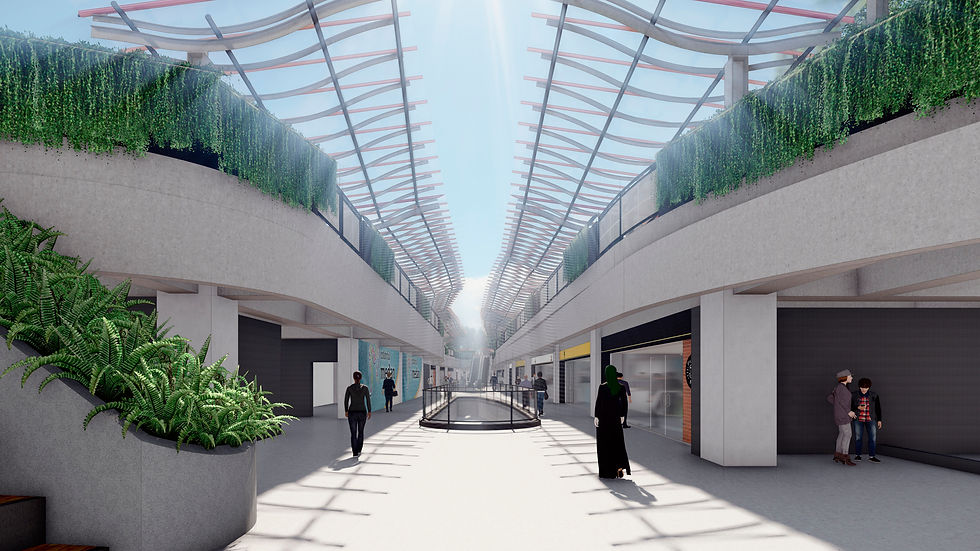


The revitalization of Lapangan Merdeka is a significant initiative by the Medan Municipality, representing a key component of its mission to both preserve the city’s historical heritage and empower local Micro, Small, and Medium Enterprises (MSMEs). By enhancing the historical area surrounding Lapangan Merdeka, the city seeks to honor its cultural and architectural legacy while simultaneously providing opportunities for local businesses to thrive. This dual purpose aligns with the city's broader vision of promoting both economic growth and historical preservation.
At the heart of this revitalization is a deeper connection to the spirit of independence famously captured in the words of Indonesia’s founding father, Bung Karno, who urged the nation to "Build its Soul, Build its Body" ("Bangunlah Jiwanya, Bangunlah Raganya"). This quote reflects a holistic vision of development that goes beyond physical infrastructure. The revitalization of Lapangan Merdeka aims to inspire the people of Medan, encouraging a deeper sense of cultural pride, identity, and civic responsibility, while also nurturing the body through economic growth, opportunities, and public spaces that foster community interaction.
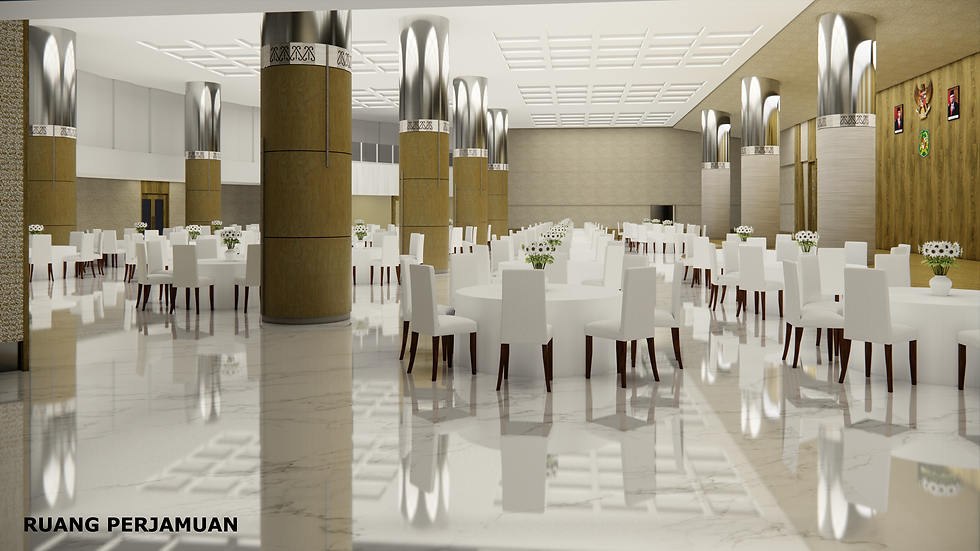


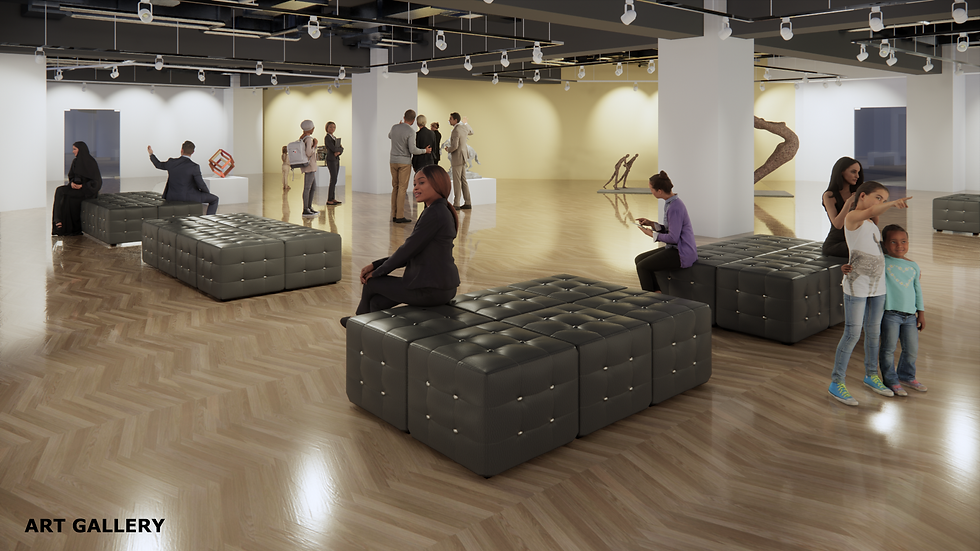
Key to this vision is the integration of the Medan City Museum, the City Planning Gallery, and the Art Gallery, all housed in the newly developed basement area of Lapangan Merdeka. These spaces serve not only as cultural hubs but also as educational centers, providing residents and visitors with insight into Medan’s rich history, its urban evolution, and its vibrant art scene. Together, these institutions will reinvigorate the cultural spirit of Medan, contributing to the development of a well-rounded, informed, and cultured populace.
By blending historical appreciation with modern development, the revitalization of Lapangan Merdeka seeks to create a harmonious environment where tradition meets progress. It is a symbol of Medan’s commitment to preserving its past while empowering its people to build a prosperous and self-sufficient future.
Chapter 5: Overview


Comments